As congressional Republicans and the Trump administration work to lower Americans’ cost of living this year, they must prioritize regulatory reform and local economies over big business.
Democrats and many establishment Republicans still believe they create jobs, economic growth, and opportunity. Yet when high prices pinch consumers, lawmakers often huddle with K Street lobbyists to serve corporate interests rather than working families.
Corporate consolidation benefits lawyers, lobbyists, bureaucrats, and politicians but makes life more expensive for ordinary Americans. This pattern has repeated repeatedly: Obamacare, federal student loans, subsidized mortgages, and the Build Back Better inflation bomb all distributed billions to insiders while leaving everyday citizens with higher bills.
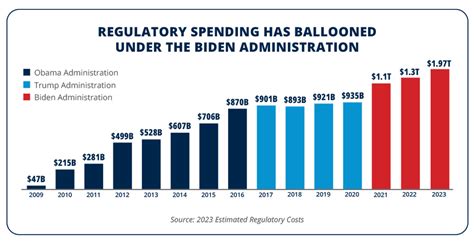
Instead of writing more checks this time, congressional Republicans should target federal regulations driving the affordability crisis. These rules—primarily imposed by non-elected bureaucrats—cost the U.S. economy over $2 trillion annually, a figure five times larger than last year’s Working Families Tax Cuts legislation.
Reforming these regulations would lower prices, spur job-creating investment, and deliver the shared prosperity Republicans promised on the campaign trail.
The first priority must be federal permitting reform. Despite progress to improve efficiency, the process remains wasteful, corrupt, and self-defeating. Agencies block critical infrastructure investments in energy, mining, defense, transportation, AI computing, and manufacturing. The U.S. economy’s greatest rival may now be its own government.
Energy demands alone require wholesale regulatory overhaul. The nation lacks sufficient production and transmission capacity to meet AI-driven electricity needs. New rules must be streamlined, transparent, and fair—key to economic competitiveness and national security.
Housing is the second priority. President Trump has signed executive orders to reform regulations hindering new home construction. Congress must follow his lead. Current housing policies appear designed to inflate prices, benefiting affluent Boomers while devastating young couples seeking families. With a shortage of over 4 million homes, federal rules should not obstruct building or subsidize state and local regulatory barriers.
Federal regulations also burden health care, education, business, and occupational licensure. In banking, current rules favor large institutions at the expense of community banks. Since 1990, the number of U.S. community banks has plummeted from 12,000 to just 4,000—44 closures or mergers occurred in Q4 2025 alone.
The American people are ready to make their economy affordable again—as soon as Washington relieves the burden. Streamlining federal rules will empower Americans to build, drill, mine, invest, lend, compute, and compete more effectively than ever before.
Lawmakers must recognize that a more affordable economy is inherently local, cooperative, and human. Regulatory reform—from national infrastructure to community banking—is an investment in America’s most powerful resource: its people.
About the Author